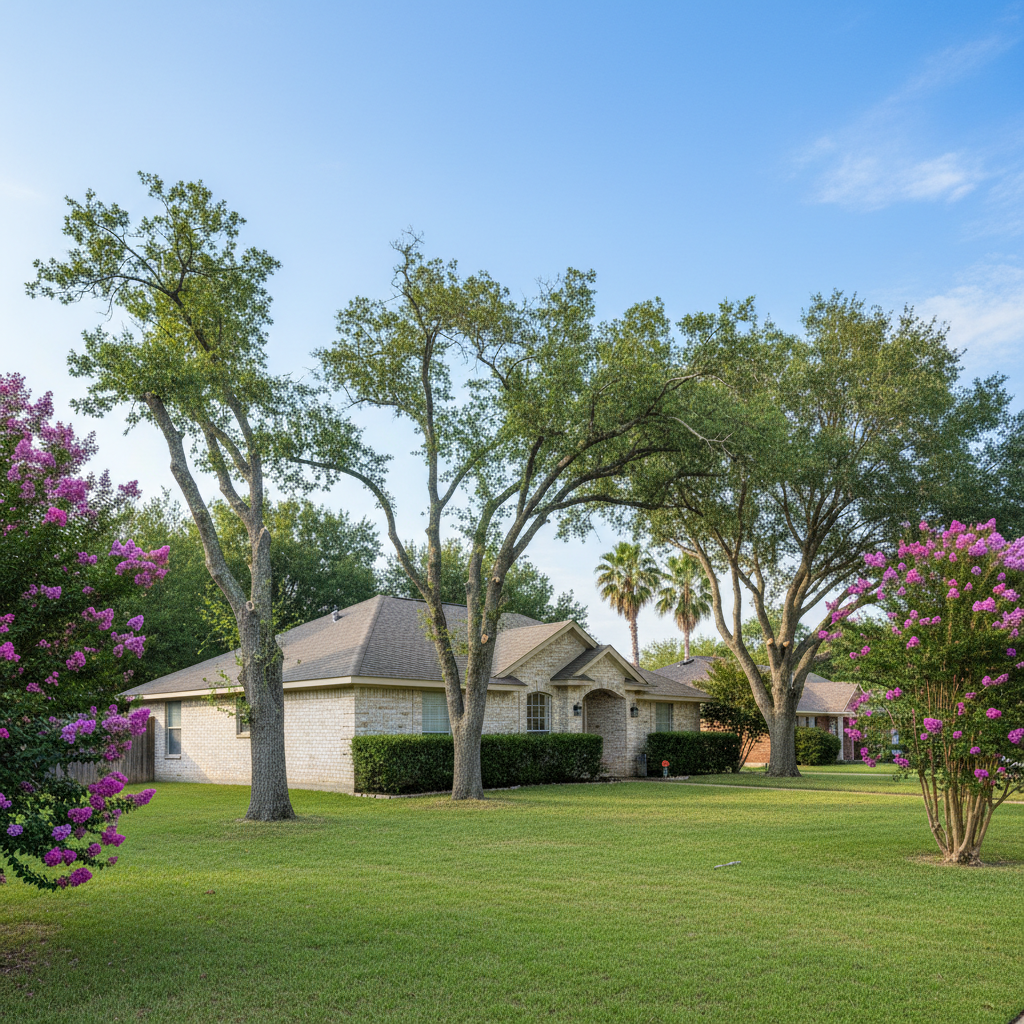
Alright, so you've got a tree that needs some attention. Maybe it's gotten too big, looks sick, or is just a little too close to your roof for comfort. You know you need a pro for this, but how do you pick one that won't leave you with more headaches than when you started? It's not brain surgery, but there are definitely some key things you should know.
Start with the Basics: Insurance and Licenses
This part? It's non-negotiable. Seriously. Any legitimate tree service working in Humble, or really anywhere, needs to be fully insured. I'm talking about general liability insurance and workers' compensation insurance. Why? Well, general liability covers damage to your property if something goes wrong – like if a branch happens to fall on your fence. Workers' comp, on the other hand, covers injuries to their crew. If they don't have it, and someone gets hurt on your property, guess who could be on the hook? You. So, ask for proof, and don't just take their word for it. They should be able to give you a certificate of insurance directly from their insurance company. A quick call to that insurance company can confirm it's still current.
Now, about licenses: Texas doesn't actually have a statewide arborist license. But, lots of good companies will have certified arborists on staff. This means they've passed an exam and keep their credentials up-to-date through the International Society of Arboriculture (ISA). It shows they really know their stuff, not just how to handle a chainsaw, you know? Ask if they have an ISA-certified arborist, especially if you've got a complex job like a tree health assessment or some major structural pruning.
What Questions Should You Ask?
Once you've made sure they're insured, it's time to dig a little deeper. Here are some key questions I'd definitely ask:
Can I see some references? A good company will have happy customers. Ask for a few names and numbers of recent clients you can call – it's a good way to get a feel for their work.
How will you protect my property? This is a big one. Are they going to lay down plywood to keep your lawn safe? Will they secure any loose items? What's their plan for getting rid of all the debris?
What equipment will you use? For a big job, you want to see professional gear – cranes, bucket trucks, chippers. Not just some guy with a ladder and a pole saw. The right tools mean a safer, more efficient job, plain and simple.
What's your cleanup process? Make absolutely sure they're not just cutting the tree and then leaving a huge mess. A good crew will leave your yard cleaner than they found it. We really pride ourselves on that at Progressive Tree Service.
What's your timeline? When can they start? How long will the job actually take? Delays happen, sure, but they should be upfront about what to expect.
Decoding the Quote: What to Look For
Don't just pick the cheapest quote, whatever you do. I've seen too many homeowners regret that choice. A good quote should be detailed and easy to understand. It should clearly spell out:
Exactly what work will be done: Is it just trimming? Complete removal? Stump grinding? Be super specific about which trees, which branches.
What's included in the price: Debris removal? Hauling it away? Cleanup? Make sure there aren't any hidden fees lurking in there.
The total cost: A fixed price is usually best; that way, there are no surprises. If it's an hourly rate, get an estimated number of hours.
Payment terms: Do they need a deposit? When is the final payment due? Be really wary of anyone asking for 100% upfront.
Get at least three quotes if you can. Compare them not just on price, but on how detailed and professional they are. Sometimes paying a little more means you get a much better, safer job done.
Red Flags to Watch Out For
Here's where you really need to trust your gut. If something feels off, it probably is:
Door-to-door solicitors: If someone shows up at your door uninvited, especially after a storm, offering a 'deal' because they 'just finished a job down the street,' be very cautious. Reputable companies don't usually operate that way, do they?
Cash-only demands: While some smaller outfits might prefer cash, if it's their *only* payment option and they're pushing it hard, that's a warning sign. It could mean they're trying to avoid taxes or insurance.
No insurance or licenses: Like I said earlier, this is a deal-breaker. No excuses, period.
High-pressure sales tactics: