Do I really need to remove that old stump? Can't I just leave it?
Look, you can leave it if you want. It's your yard. But from my experience, it's rarely a good idea. First off, it's an eyesore. It breaks up the clean lines of your lawn, and you're constantly mowing around it. It's also a tripping hazard, especially if it's in a high-traffic area or where kids play. I've seen more than a few twisted ankles because of hidden stumps.
Beyond the aesthetics and safety, stumps attract pests. Termites, ants, beetles – they all love decaying wood. You don't want to invite those critters closer to your house, trust me. Plus, a decaying stump can spread fungal diseases to other healthy plants and trees in your yard. And if you're thinking about replanting or doing any landscaping in that spot, the stump's roots are going to be a major headache. So, while you can leave it, you probably shouldn't if you want a healthy, safe, and good-looking yard.
What's the difference between stump grinding and stump removal?
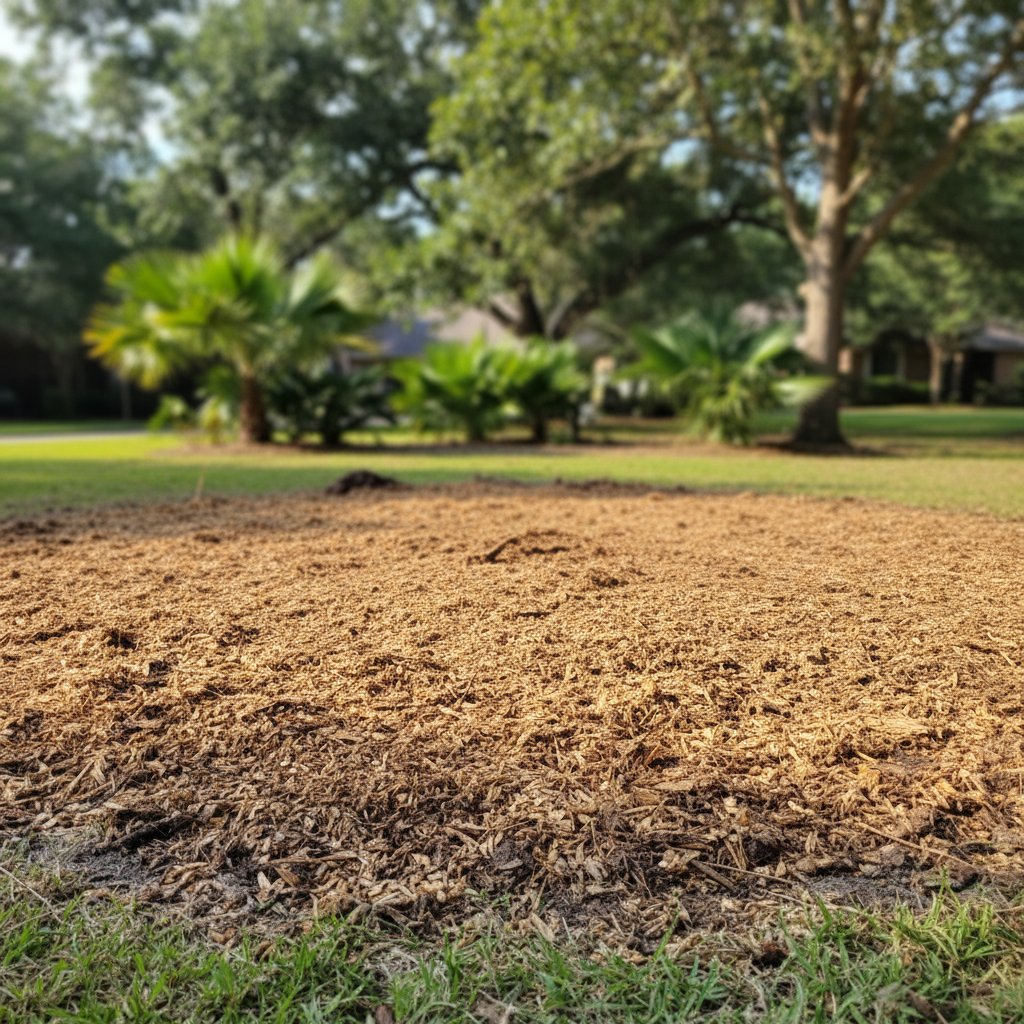
This is a common question, and it's an important one because they're not the same thing. When we talk about stump grinding, we're using a specialized machine with a rotating cutting disc to chip away at the stump. We grind it down several inches, usually 6 to 12 inches, below the soil line. This turns the stump into wood chips and sawdust, which you can then use as mulch or mix into the soil. The main roots are left in the ground to decay naturally, which takes time.
Stump removal, on the other hand, means getting the entire stump and as much of the root system as possible out of the ground. This usually involves digging it out with heavy equipment or by hand, which is a much more labor-intensive and disruptive process. It leaves a much bigger hole and often requires more extensive backfilling and site restoration. Most homeowners in Humble opt for grinding because it's less invasive, more affordable, and usually gets the job done for their needs.
How deep do you grind the stump?
Typically, we grind stumps anywhere from 6 to 12 inches below the existing grade. For most residential situations, 6-8 inches is plenty deep enough to allow for new grass to grow over the area, or even to plant small shrubs. If you're planning to build a deck, pour concrete, or plant a new tree directly in that spot, we might recommend going deeper, perhaps 10-12 inches, to ensure there are no obstructions. We'll discuss your plans for the area when we give you an estimate so we can make sure we grind to the right depth for your project.
What about the roots? Will they cause problems if they're left in the ground?
Once the stump is ground down, the remaining roots are essentially cut off from their food source. They'll naturally start to decay over time. For most residential applications, leaving the roots in the ground isn't an issue. They'll break down and return nutrients to the soil. It can take several years for larger roots to fully decompose, but they typically won't cause structural problems or sprout new growth once the main stump is gone.
The only time roots might be a concern is if they're very close to a foundation, plumbing, or septic system. But even then, once the tree is gone, the roots stop growing and exerting pressure. They'll just slowly decompose. If you're worried about specific roots, let us know and we can assess the situation.
How much does stump grinding or removal cost in Humble, TX?
This isn't a one-size-fits-all answer, unfortunately. The cost depends on several factors: the size of the stump (diameter), the type of tree (some woods are much harder to grind than others), the depth you want it ground, and the accessibility of the stump. A small, easy-to-reach pine stump in your front yard is going to cost a lot less than a massive, old oak stump tucked away in the back corner of your property near a fence line. We also factor in things like the soil here in Humble – sometimes that heavy clay can make things a bit tougher.
The best way to get an accurate price is to have us come out and take a look. We offer free, no-obligation estimates. That way, we can see exactly what we're dealing with and give you a firm quote. Don't trust anyone who gives you a price over the phone without seeing the stump first.
What do I do with the wood chips after you're done?
After we finish grinding, you'll be left with a pile of wood chips mixed with some soil. You've got a few options here. Many of our customers choose to leave the chips in the hole to fill it in. They'll settle over time, and you can then add a layer of topsoil and plant grass or flowers right over it. The chips also make great mulch for your garden beds – they're organic and will help retain moisture and suppress weeds.
If you don't want the chips, we can haul them away for an additional fee. Just let us know your preference when we're discussing the job. Either way, you won't be stuck with a big mess.
Got more questions? Don't hesitate to give us a call at Progressive Tree Service. We're here to help you get your yard looking its best.